
Interviews
Interviews,
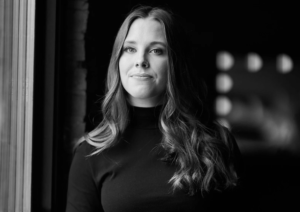
Hiding in Plain Sight With Taboo OCD Themes: A Conversation with Emma Noyes
Emma Noyes writes books about love, magic, and mental health for both the young adult and adult genre. Her works have been published in over a dozen languages and include Prince of the Sun, Guy’s Girl, How to Hide in Plain Sight, and The Soul of Shadow series. She lives in New York with her […]

Interviews,
A Conversation with Nnedi Okorafor
I started writing through trauma, so there’s that. When it comes to my culture, though, I didn’t have to consciously imbue my work with it, it’s just there. It comes up naturally, by definition.
Interviews,
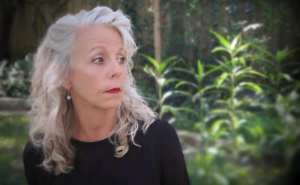
“Making a Decent Life in an Imperfect World”: A Conversation with Debra Monroe
Monroe, who retired at the end of this academic year, has taught creative writing at Texas State University since 1992. In 1990, she received the Flannery O’Connor Award for her debut story collection, The Source of Trouble, and has since published numerous well-regarded novels, memoirs, and books of stories and essays.

Interviews,
Creating Community and Curating Poetic Collections: A Conversation with Dr. Malika Booker
“Everything is about the poem. You’re in service to the poem, and not the poet’s ego or the poet’s personality.”– Malika Booker
Interviews,
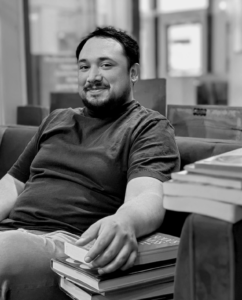
“Like a Sport”: A Conversation with Moctezuma Seth Gonzalez, Owner of Livra Books
“Bookstores have a certain responsibility towards the reading public, that they should do more than just sell books, or at least do it in more curious ways.”– Moctezuma Seth Gonzalez

Interviews,
Primal Connection: A Conversation with Mai Der Vang
“As a poet, I often feel a primal connection to something unknowable that came before me, and whether it’s obvious or not, it seems to me it’s what makes me or anyone else as much a creature as an animal.”

Interviews,
Touched by the Ordinary: Kamol Karmakar on Writing from Life’s Smallest Shocks
Poetry becomes my source of hope when all else seems hopeless.

Interviews,
Interview: Lawrence Wright on The Human Scale, the Rise of AI, and The Looming Tower 25 Years Later
Research is always a factor, even in my fiction. I want the reader to think, ‘oh, this could really happen,’ or it really did happen, or ‘it feels very real.’